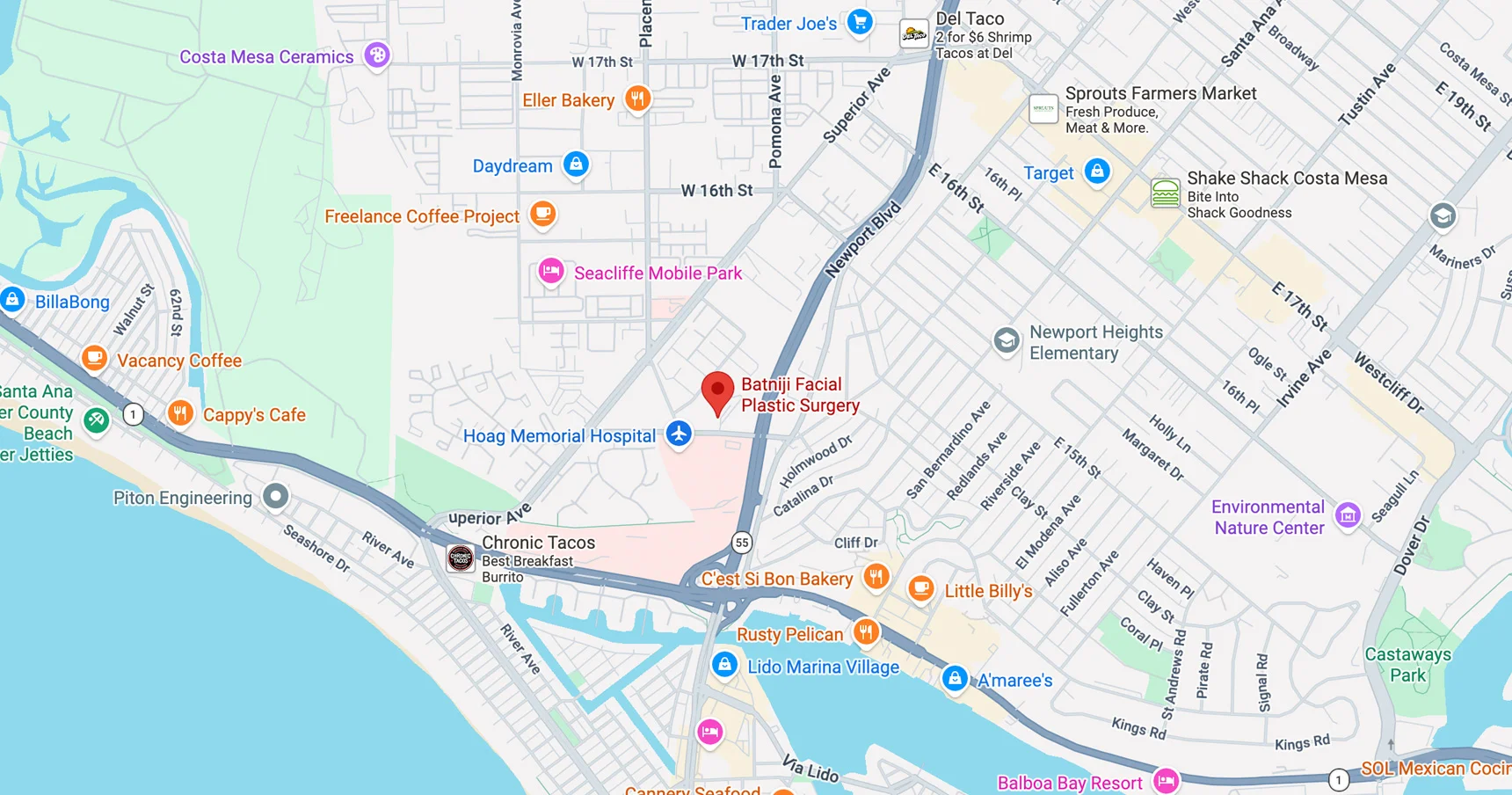
Newport Beach

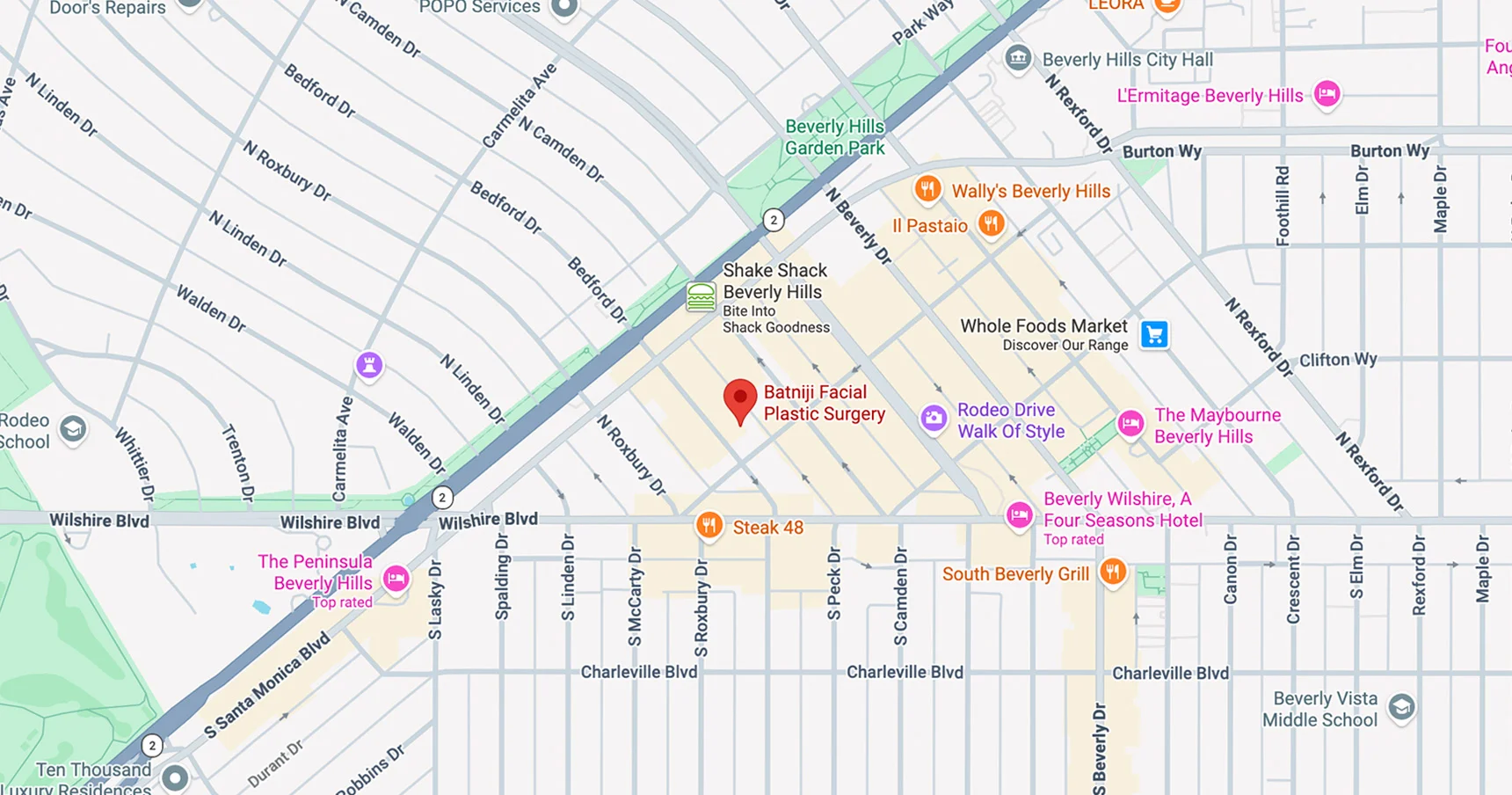
Beverly Hills

Facial Wound Care Instructions

Newport Beach and Orange County

Following Suture Repair of a Facial Wound

Wound Care Instructions

Following these instructions closely will help you heal comfortably and achieve the best possible result. Please read the entire document and keep it handy throughout your recovery. Call our office at 949.650.8882 (Newport Beach) or 310.467.2180 (Beverly Hills) with any questions or concerns.

CALL OUR OFFICE IMMEDIATELY

Newport Beach: 949.650.8882    Beverly Hills: 310.467.2180

Contact us right away if you experience any of the following:

  • Worsening redness, swelling, or pain after day 3
  • Spreading redness or red streaks extending from the incision
  • Yellow or green drainage, or a foul odor
  • Fever above 101°F (38.3°C) or chills
  • Bleeding that does not stop after 15 minutes of firm pressure
  • Wound edges separating or sutures coming loose

For life-threatening symptoms, always call 911 or go to the nearest emergency room first.

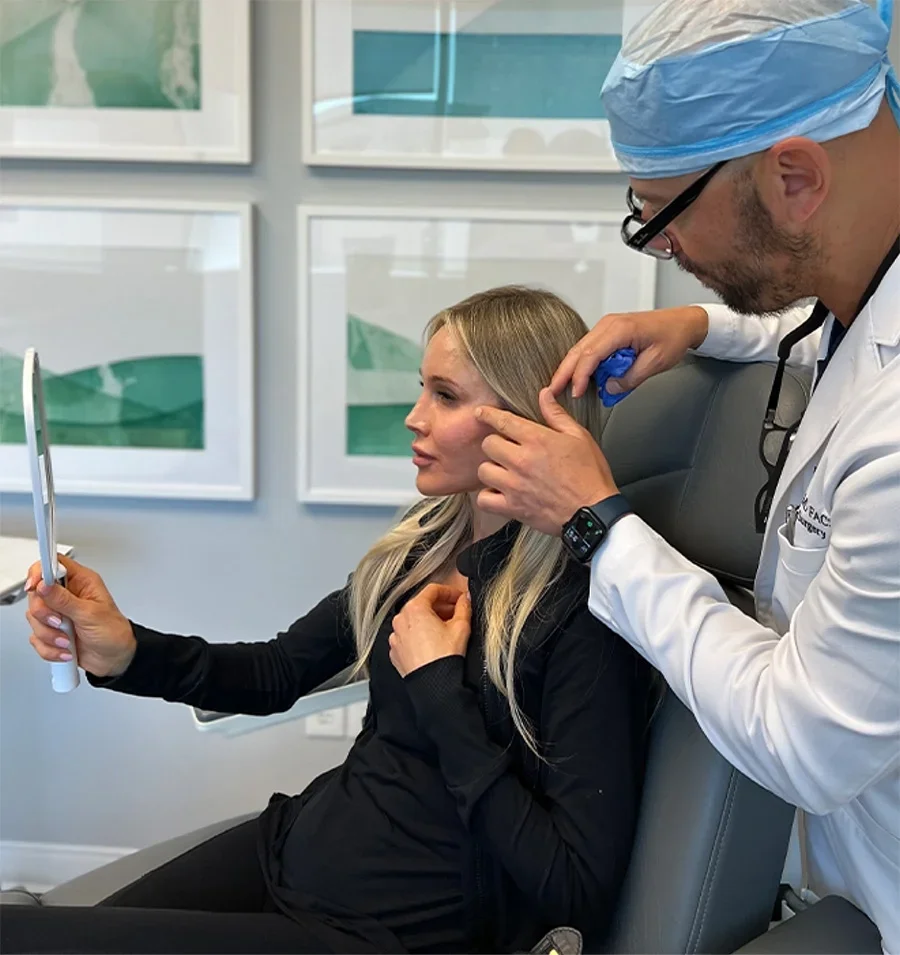
A side-profile view of a blonde woman sitting in a grey treatment chair, looking into a handheld mirror. Behind her, a male clinician in a white coat and blue surgical cap points to her temple area while explaining a procedure. - In Beverly Hills, CA

Supplies You Will Need for Wound Care

  • A fresh bottle of hypochlorous acid to ensure its potency. We recommend Magic Molecule or SkinSmart Wound Therapy.
  • Vaseline Original Petroleum Jelly (plain only — no cocoa butter, aloe, or scented versions).
  • Cotton-tipped applicators.
  • A gentle facial cleanser such as Vanicream Gentle Facial Cleanser.

Cleansing

  • For the first week until sutures are removed: Cleanse twice daily with a gentle cleanser such as Vanicream Gentle Facial Cleanser. Use fingertips only and pat dry.
  • Do not use hydrogen peroxide, alcohol, or abrasive scrubs.
  • Do not pick at scabs, crusts, or the suture line.

Hypochlorous Acid and Vaseline

  • Open a fresh bottle of hypochlorous acid around the time of surgery for best potency.
  • Clean the sutures 3–4 times daily while awake. Spray the sutures directly with hypochlorous acid spray. Allow it to dry for 1 minute, then apply a thin layer of Vaseline to the sutures using a cotton tipped applicator. Once the sutures are removed, you no longer need to clean the sutures with hypochlorous acid, and you no longer need to apply Vaseline.
  • A small amount of crusting is normal. Cleanse gently — do not aggressively remove crusts.

The First Week

  • Sleep with your head elevated on 2 pillows for the first week to reduce swelling.
  • Apply a cold compress 15 minutes on, 15 minutes off, during waking hours. Do not apply ice directly to the incision. Do this for the first 24-72 hours to minimize bruising and swelling.
  • Avoid strenuous exercise, heavy lifting (greater than 10 lbs.), and bending at the waist for 7–10 days. Strenuous exercise may increase the risk of bruising and swelling.
  • If bleeding occurs apply firm, continuous pressure with clean gauze for 15 minutes. Call our office if it does not stop.

Medications

  • For pain: Tylenol (Acetaminophen) as directed or as prescribed.
  • Avoid aspirin, ibuprofen, naproxen, fish oil, vitamin E, and alcohol for 48–72 hours — these increase bleeding risk.
  • Resume routine home medications except for those medicines that increase bleeding risk.

Nicotine

  • Avoid all nicotine — including cigarettes, vaping, patches, and gum — 4 weeks before your procedure and do not resume nicotine until 4 weeks after your procedure. Nicotine significantly impairs wound healing and increases the risk of complications.

Sun Protection

  • For the first week: Avoid direct sun exposure. Wear a wide-brimmed hat and sunglasses. Do not apply sunscreen directly to the wound while sutures are in place. If exposure is unavoidable, cover with a small bandage or paper tape and remove once indoors.
  • After suture removal: Apply broad spectrum sunscreen SPF 30+ to the scar daily for 6–12 months. Daily sun protection is the single most effective way to prevent a darkened or widened scar.

Suture Removal

  • Sutures are typically removed 5–7 days after surgery. This appointment is scheduled before you leave.
  • Do not remove sutures yourself, even if one appears loose.
  • Hold makeup, cosmetics, and facial treatments (peels, lasers, microneedling) until sutures are out and the wound is fully closed.

Scar Care (1 month and Beyond)

  • Silicone gel: Begin 1 month post procedure. Apply daily for 8–12 weeks.
  • Scar massage: Begin at 1 month after your procedure. Gentle circular pressure for 2–3 minutes, 2–3 times daily.
  • Daily SPF: Continue broad spectrum sunscreen SPF 30+ for 6–12 months (see above).
  • In-office treatments: Ask about laser, steroid injection, or other refinement options if the scar becomes raised, red, or thickened.

Questions or Concerns?

Please do not hesitate to contact our office at 949.650.8882 (Newport Beach) or 310.467.2180 (Beverly Hills) during business hours. For life-threatening symptoms, always call 911 or go to the nearest emergency room first.

Healing is a gradual process. We are here to guide you every step of the way.

Book Your Consultation

Our Plastic Surgery Office Locations

Newport Beach Plastic Surgery Clinic

Beverly Hills Plastic Surgery Clinic

Memberships