What to Expect: Day-by-Day Recovery
Everyone heals at a slightly different pace, but most patients follow this general timeline. Knowing what is normal will help you stay calm through the messier middle days.
- Days 1–2: Significant redness, swelling (especially around the eyes), and a warm or sunburned sensation. Keep the area continuously coated with ointment.
- Days 3–5: The skin may appear uneven, bronze-colored, or crusty. This is expected — do not pick.
- Days 5–7: Peeling progresses and new, bright-pink skin begins to emerge underneath. Itching is common; this is a sign of healing.
- Days 7–14: Most patients are re-epithelialized by this point, with pink, smooth new skin. Discontinue the hypochlorous acid spray and Vaseline ointment. Start approved gentle skin care products at this time. Gentle camouflage makeup may be approved at your follow-up.
- Weeks 2–12: Pinkness gradually fades over 4–12 weeks (sometimes longer for deeper treatments). Strict sun protection is essential during this entire period.
What is normal vs. what to watch for: Mild itching, tightness, and pinkness are expected parts of healing. Increasing pain, new asymmetry, or worsening redness after day 3 is not typical and should prompt a call to our office.
Before Your Procedure
Skin Preparation
- Pre-treatment regimen: Dr. Batniji may start you on a bleaching cream (e.g., hydroquinone) and a retinoid to prepare your skin. Use these products nightly as directed. Your specific stop date will be given to you — typically retinoids and hydroquinone are discontinued approximately 1 week before your procedure.
- Daily sunscreen: Use a broad-spectrum sunscreen of SPF 30 or higher every day while on the pre-treatment regimen.
Medical History — Please Tell Us If You Have
- A history of cold sores, fever blisters, or herpes simplex of any kind
- A history of keloid or hypertrophic scarring
- Taken isotretinoin (Accutane) in the past 6–12 months
- Active acne, eczema, rosacea flare, or any skin infection in the treatment area
- An autoimmune condition or any condition affecting wound healing
- Recent chemical peels, microneedling, or other resurfacing procedures
- A history of vitiligo or post-inflammatory hyperpigmentation
- Pregnancy or breastfeeding
- Any known drug allergies
4 Weeks Before
- Stop smoking and vaping. Nicotine significantly impairs wound healing and increases the risk of scarring and infection. We strongly recommend stopping at least 2 weeks before and 2 weeks after your procedure — longer if possible.
- Minimize sun exposure and avoid tanning beds or self-tanners. Treating tanned skin increases the risk of pigmentation changes.
2 Weeks Before
- Stop blood-thinning medications and supplements unless medically required. This includes aspirin, ibuprofen, naproxen and other NSAIDs, vitamin E, fish oil, ginkgo, garlic supplements, ginseng, and St. John’s Wort. Do not stop prescription blood thinners (e.g., warfarin, Eliquis, Plavix) without first consulting your prescribing physician.
1 Week Before
- Discontinue facial exfoliants — scrubs, acid washes, microdermabrasion, and any treatment that removes the outermost layer of skin.
- Discontinue products containing retinoids or retinoic acid, including tretinoin (Retin-A, Renova), tazarotene (Tazorac, Avage), adapalene (Differin — now OTC), trifarotene (Aklief), and prescription or OTC retinol products. Discontinue hydroquinone.
- Avoid waxing, threading, or depilatories on the treatment area.
Prescriptions
Dr. Batniji will prescribe antiviral medication (and an antibiotic and/or antifungal) to begin shortly before your procedure. Please fill these prescriptions promptly and start them exactly as directed — this is one of the most important steps in preventing complications.
48 Hours Before
- Avoid alcohol, which can increase swelling and bruising.
- Arrange a driver to take you home after the procedure.
- Stock up on recovery supplies: Vanicream Gentle Facial Cleanser and plain white petrolatum such as Vaseline (or Alba Un-Petroleum Jelly if you prefer a plant-based alternative), hypochlorous acid spray (e.g., Recovery No. 1 which can be purchased at our office), clean gauze, a Terry cloth towel or pillowcase, cold packs, and an extra pillow for head elevation.
Day of Your Procedure
- Wash your face with a gentle cleanser such as Vanicream Gentle Facial Cleanser before arrival.
- Do not wear makeup, moisturizer, mascara, or any other facial product.
- Do not wear contact lenses — please wear your glasses.
- Wear comfortable clothing that does not need to be pulled over your head (e.g., a button-down shirt).
- If your procedure is being performed in the office, bring a headband to hold hair away from the treatment area.
- Bring your prescribed medications with you.
- Have a driver available to take you home.
Once you arrive, Dr. Batniji may take pre-treatment photographs. A topical anesthetic cream will then be applied and left in place for approximately 45 minutes to numb the treatment areas before the procedure begins. Immediately after treatment, a layer of Vaseline ointment (plain white petrolatum) will be applied, and this must remain in place and be reapplied continuously for the first 24 hours — do not remove it during this window.
Post-Procedure Care
The First 24 Hours
- Keep the treated skin continuously coated with Vaseline (plain white petrolatum) — do not let it dry out.
- Do not wash or remove the ointment during this window.
- Apply cool (not ice-cold) compresses using saline-soaked gauze or a clean cloth over the ointment layer for 10–15 minutes at a time to reduce swelling. Do not apply ice directly to the skin.
- Sleep on your back with your head elevated on an extra pillow.
- Take your prescribed antiviral and antibiotic medications exactly as directed.
- For discomfort, Tylenol (Acetaminophen) is preferred. Avoid ibuprofen, aspirin, and other NSAIDs unless cleared by Dr. Batniji.
- Take Benadryl for itchiness.
Cleansing (Starting After the First 24 Hours)
- Always wash your hands thoroughly with antibacterial soap before touching the treated skin.
- Gently wash the treated area with an ultra-gentle cleanser such as Vanicream Gentle Facial Cleanser to remove ointment and any crusting. Use fingertips only — no washcloths, sponges, or brushes.
- Pat dry with a clean, soft towel. Do not rub.
- Wash 3 to 6 times per day during the first week.
Hypochlorous Acid Spray (Recommended)
Hypochlorous acid (HOCl) is a gentle, naturally occurring antimicrobial that helps reduce bacterial burden on the healing skin, ease itching, and calm inflammation. It does not sting and is safe around the eyes and mouth. Several stabilized sprays are widely available, including SkinSmart Antimicrobial, Tower 28 SOS Daily Rescue Facial Spray, PhaseOne Post-Procedure Spray, and Briotech Topical Skin Spray.
- Starting 24 hours after your procedure, gently cleanse the skin first with Vanicream Gentle Facial Cleanser and pat dry.
- After cleansing, spray a light mist of hypochlorous acid onto the treated area.
- Allow it to sit on the skin for 30–60 seconds, then reapply Vaseline.
- You may also spray between cleansings for comfort if the skin feels itchy or irritated — it is safe to use 3 to 6 times per day.
- Continue daily use through the re-epithelialization phase (roughly the first week), or until Dr. Batniji advises you to stop.
- Important: Hypochlorous acid is a helpful adjunct — it does not replace your prescribed antiviral or antibiotic medications.
Ointment and Moisturizer
Your skin must stay continuously moist throughout the healing process — dryness significantly increases the risk of scarring and infection. We recommend a phased approach based on where you are in recovery:
- Days 1–7 (maximum occlusion): Apply Vaseline generously and continuously. This provides the best moisture seal with the lowest risk of allergic reaction. If you prefer a plant-based alternative, Alba Un-Petroleum Jelly is acceptable.
- Day 7 and beyond (once re-epithelialized): Our team will advise you when to transition to a gentle approved skin care regimen.
- Reapply any time the skin feels tight or dry.
- Apply a thicker layer at bedtime.
- A note on Aquaphor: Although Aquaphor has been commonly recommended in the past, we now prefer plain petrolatum because the lanolin in Aquaphor can occasionally cause a contact dermatitis that appears around day 5–7 and is sometimes mistaken for infection.
Sleep and Positioning
- Sleep on your back with the head of the bed elevated for at least the first 3–5 nights to minimize swelling.
- Place a clean Terry cloth towel over your pillow to prevent the ointment from sticking.
- Change pillowcases and towels daily to keep the healing area clean.
What NOT to Do
- Do not pick, peel, scrub, or rub the treated skin. Let flaking skin come off on its own — picking is the single most common cause of scarring.
- No strenuous exercise, heavy lifting, or anything that causes sweating for at least 2 weeks.
- No swimming pools, hot tubs, saunas, or steam rooms until fully healed and cleared by Dr. Batniji.
- No direct sun exposure for at least 4–6 weeks. Wear a wide-brimmed hat when outdoors, even briefly.
- Do not apply sunscreen until the skin is fully re-epithelialized. Until then, protect the treated area with physical barriers such as a wide-brimmed hat, a mask, or by avoiding direct sun exposure altogether.
- No makeup until cleared — typically 7–10 days, once the skin has fully re-epithelialized.
- No alcohol for at least 48–72 hours and while taking antibiotics.
- No active skincare products until specifically cleared. A typical reintroduction schedule is: gentle moisturizer and mineral sunscreen once re-epithelialized (around day 7–10); vitamin C at approximately 4 weeks; retinoids and alpha/beta hydroxy acids at approximately 6–8 weeks, or when the skin has fully settled.
Long-Term Sun Protection
Your new skin is more vulnerable to UV damage and pigmentation changes for months after resurfacing. Once re-epithelialized, daily year-round use of a broad-spectrum SPF 30–50 mineral sunscreen is essential for at least 3 to 6 months — and is the best long-term investment in protecting your result.
Supporting Optimal Healing
Your overall health directly affects how quickly and how well you heal. During recovery we recommend:
- A high-protein diet with plenty of fruits and vegetables to support tissue repair
- Generous fluid intake — aim for at least 8 glasses of water per day
- 7–9 hours of sleep per night
- Strict avoidance of nicotine in all forms (cigarettes, vaping, nicotine pouches, secondhand smoke)
- Minimizing stress where possible — elevated cortisol can impair wound healing
- Avoiding alcohol during the early healing phase
When to Call Us
Please contact our office promptly if you experience any of the following:
- Cold sores, fever blisters, or any painful clustered blisters in or near the treatment area
- Fever above 101°F (38.3°C) or chills
- Yellow, green, or foul-smelling discharge
- Hives, rash, or difficulty breathing (possible allergic reaction to medications — call 911 for breathing difficulty)
- Any concern that feels significant to you — when in doubt, call
Questions or Concerns?
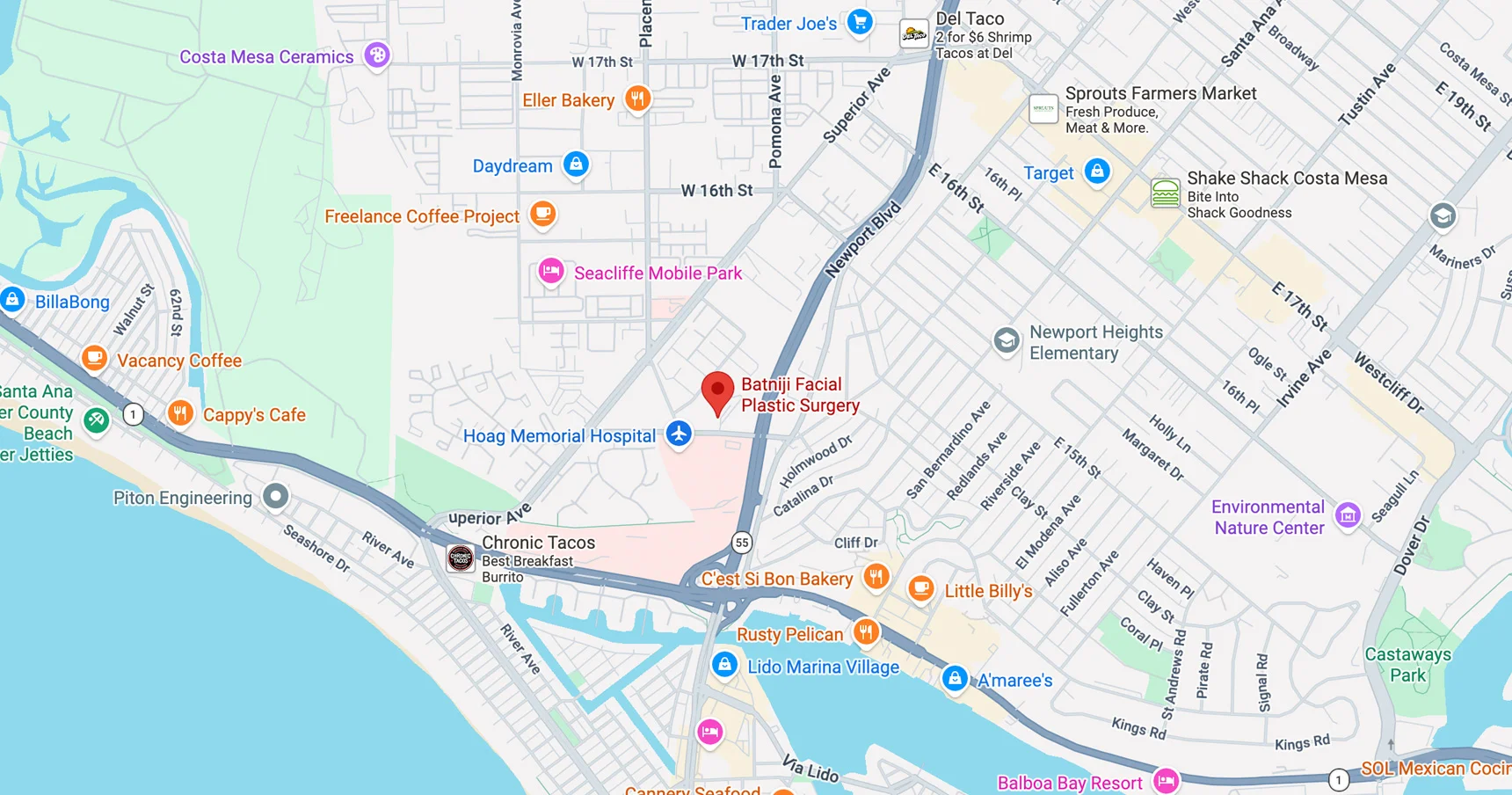
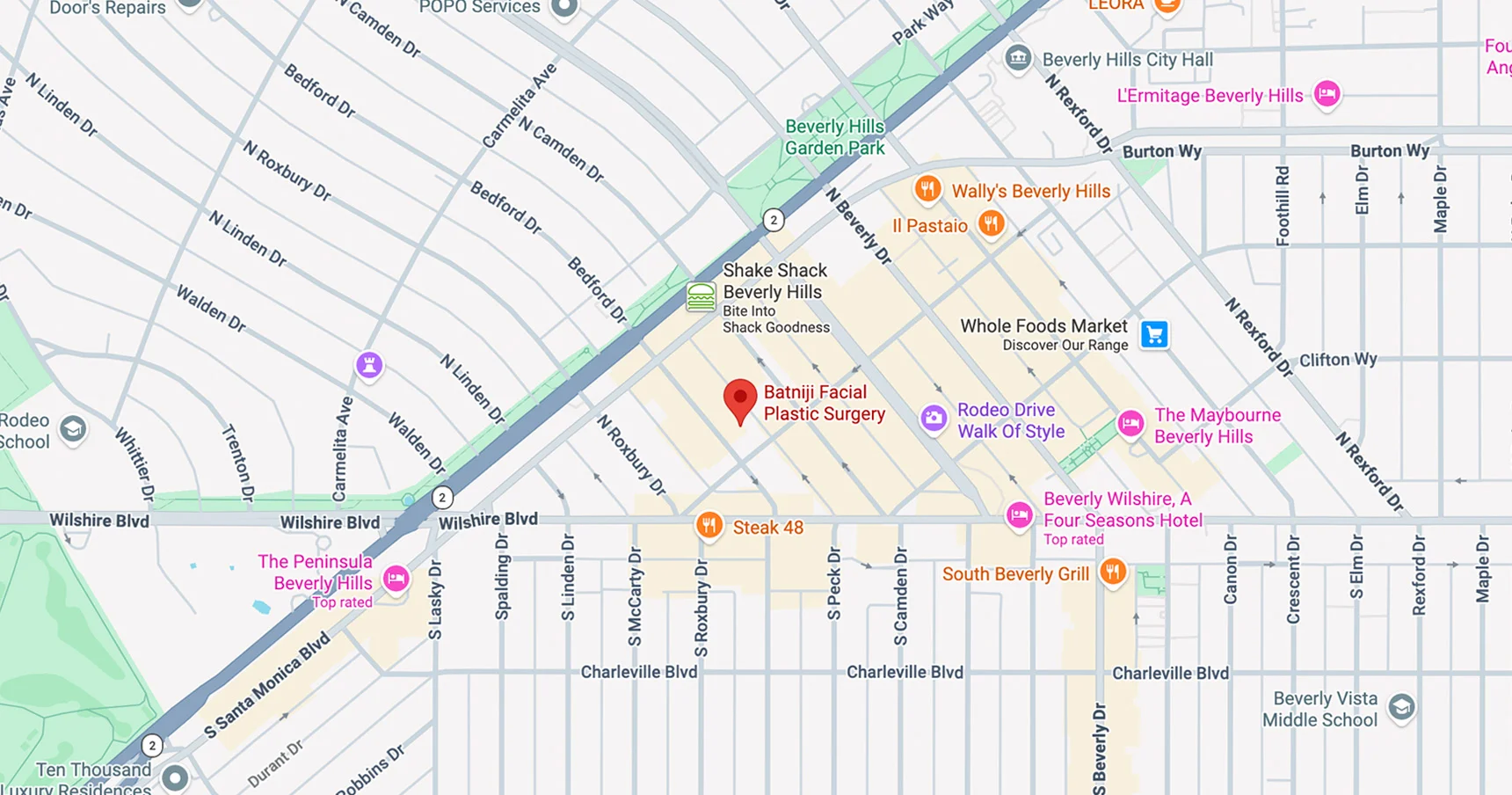
Please do not hesitate to contact our office at 949.650.8882 (Newport Beach) or 310.467.2180 (Beverly Hills) during business hours. For life-threatening symptoms, always call 911 or go to the nearest emergency room first.
Healing is a gradual process. We are here to guide you every step of the way.