Two Weeks Before Surgery
- Stop aspirin and NSAIDs. This includes Excedrin, Motrin, Advil, Aleve, and ibuprofen-containing products. These can increase bleeding, bruising, and swelling. Do not resume until 2 weeks after surgery.
- If you take aspirin for heart or stroke prevention, do not stop on your own — contact your cardiologist or prescribing physician first, then let us know their recommendation.
- Stop herbal supplements and high-dose vitamins. See the companion handout, Nutritional Supplements to Discontinue Before Surgery, for the full list.
- Start a Vitamin E–free multivitamin. A multivitamin high in Vitamin C and free of Vitamin E helps reduce post-operative swelling and bruising. VitaMedica’s Clinical Support Program is one option we recommend.
- Stop all nicotine and tobacco products. This includes cigarettes, e-cigarettes, vapes, nicotine pouches, gum, patches, and chewing tobacco. Nicotine constricts blood vessels and significantly increases the risk of poor wound healing, skin loss, and infection in facial surgery. Ideally, stop at least 4 weeks before and 4 weeks after surgery. Second-hand smoke also impairs healing — please avoid it.
- Stop alcohol consumption. Alcohol use affects bleeding, swelling, and how you respond to anesthesia.
- Stop cannabis and CBD. Cannabis affects anesthesia and interacts with pain medications. Disclose all use — smoked, vaped, edibles, tinctures, topicals — to the anesthesia team. This is a safety matter, not a judgment matter. See the supplements handout for timing.
One to Two Weeks Before Surgery
- Complete any required lab work or EKG. Tests must be within 3 months of surgery. If you have a cardiac history, then tests must be within 1 month of surgery. If you take a diuretic (Lasix, Maxzide, Hydrochlorothiazide), a potassium level is required within 7–10 days of surgery.
- Fill all prescriptions. You may receive prescriptions for antibiotics, pain medication, anti-nausea medication, or others. Have them filled in advance.
- Avoid permanent hair coloring. Do not color your hair within 7 days before surgery or 4 weeks after.
- Call us if you take special medications. See the Medication-Specific Guidance section below for details on blood thinners, diabetes medications, GLP-1s, and more.
- Arrange transportation and an adult caretaker. You must have someone drive you to and from the surgery center, and a responsible adult must stay with you for the first 24 hours. Professional nursing care with transportation is available for an additional fee — let us know if you’d like us to help arrange it.
The Day and Night Before Surgery
- Start antibiotics 24 hours before surgery if prescribed.
- Nothing to eat or drink after midnight — including water, gum, mints, and hard candy — unless the surgery center gives you different instructions. Their instructions always take precedence.
- Shower and wash your hair the night before or morning of surgery.
- Remove hair extensions.
- Remove false eyelashes.
- Remove acrylic nails and gel polish.
- Get a good night’s sleep if possible. It’s normal to feel anxious the night before — call us if you have concerns.
The Morning of Surgery
- Do not eat or drink anything (see above — follow any specific instructions from the surgery center).
- Take approved morning medications with a small sip of water. Blood pressure and cardiac medications should generally be taken. Aprepitant is an anti-nausea medication that will be prescribed and should be taken the morning of surgery to alleviate nausea after surgery. Diabetes, blood thinners, and GLP-1s are handled separately (see below).
- Do not wear makeup, nail polish, contact lenses, or jewelry. Glasses are fine. Leave valuables at home.
- Wear loose, comfortable clothing with a front zipper or button closure — not a pullover top. Consider bringing a scarf, hat, or sunglasses for the ride home.
- Bring: a photo ID, insurance card, a list of all medications and supplements you take daily, and your CPAP machine if you use one.
Medication-Specific Guidance
- Blood thinners (Coumadin, Plavix, Eliquis, Xarelto, etc.): Do not stop on your own. Contact our office at least two weeks before surgery so Dr. Batniji can coordinate the plan with your prescribing physician.
- Insulin or oral diabetes medications: The surgery center staff will provide guidance.
- GLP-1 medications and peptide therapies (Ozempic, Wegovy, Zepbound, Mounjaro, semaglutide, tirzepatide, compounded peptides): These medications slow stomach emptying and are typically held one week before surgery and may be resumed 1 week after surgery.
- Blood pressure and heart medications: Usually taken the morning of surgery with a small sip of water. Confirm with our office at your pre-op visit.
- ADHD stimulants, SSRIs, anxiety medications, thyroid medications: Most are continued as usual. Bring a complete list so we can confirm at your pre-op visit.
|
FOR PATIENTS OF CHILDBEARING POTENTIAL
Anesthesia and some medications used during and after surgery can harm a developing pregnancy. If there is any possibility you could be pregnant, please tell us — confidentially — before surgery. A urine pregnancy test may be performed on the morning of surgery per surgery center policy.
|
Call Us Right Away If You Develop…
- A cold, sore throat, cough, or congestion
- A fever
- Cold sores, fever blisters, or any rash or skin eruption on the face
- A new medication prescribed by another physician
- Any significant change in your health
These may require rescheduling for your safety.
A Quick Note on After Surgery
You will receive detailed post-operative instructions at your pre-operative visit. A few things worth flagging now:
- No aspirin or NSAIDs for 2 weeks after surgery. Avoid Motrin, Advil, Aleve, ibuprofen, and Excedrin — they can trigger bleeding during the early healing window. Tylenol (acetaminophen) is generally fine; confirm at your pre-op visit.
- Narcotic pain medications often cause constipation. Drink plenty of water, eat high-fiber foods, and consider starting a stool softener (Colace / docusate) the day of surgery. If you haven’t had a bowel movement by day 2–3, add a gentle stimulant laxative (Dulcolax / bisacodyl) or osmotic laxative (Miralax). Call us if the problem persists or if you have abdominal pain.
|
Please also review Nutritional Supplements to Discontinue Before Surgery, which lists specific supplements — including fish oil, turmeric, ginkgo, cannabis, GLP-1s, and others — that need to be managed before your procedure.
|
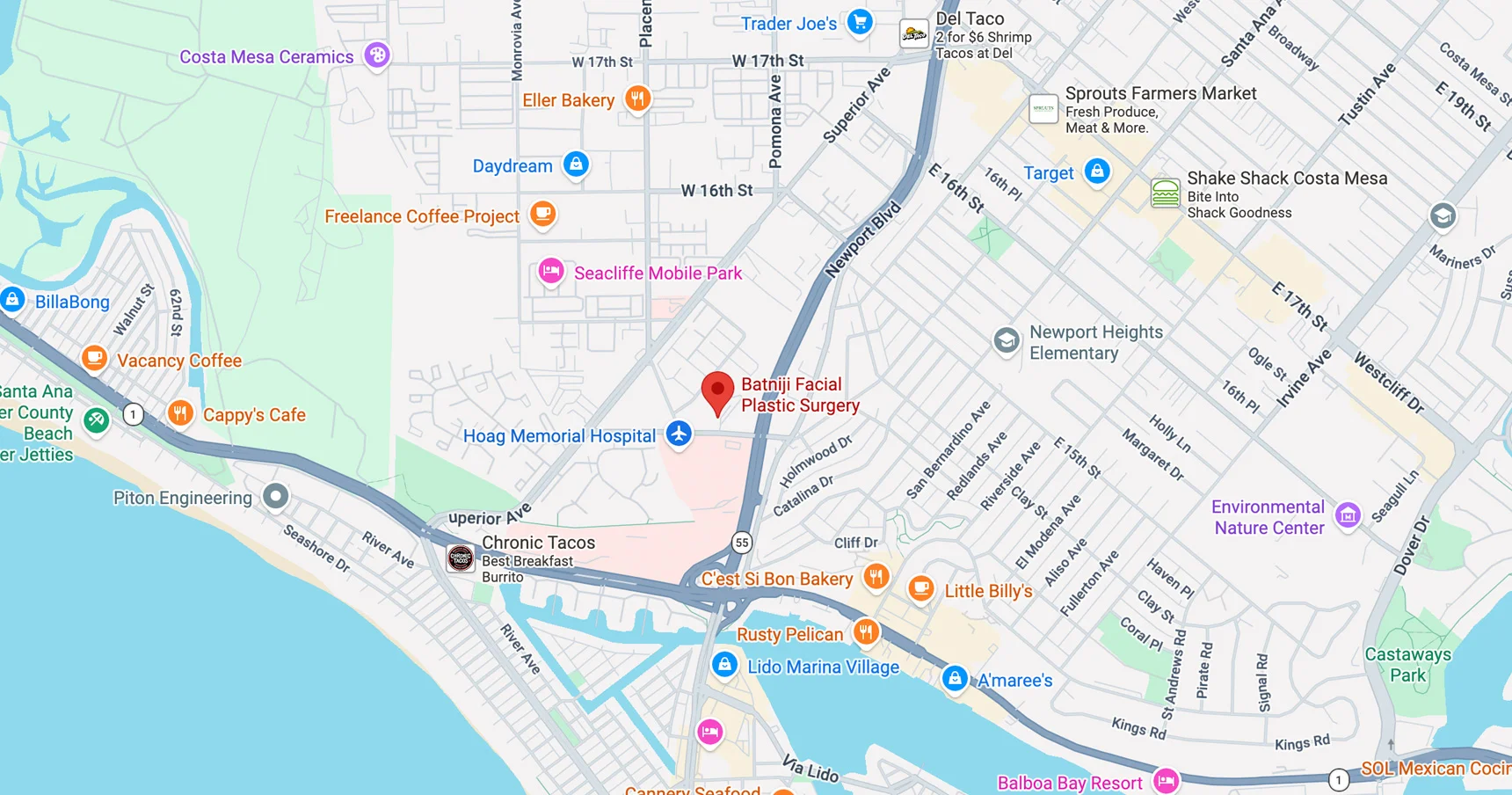
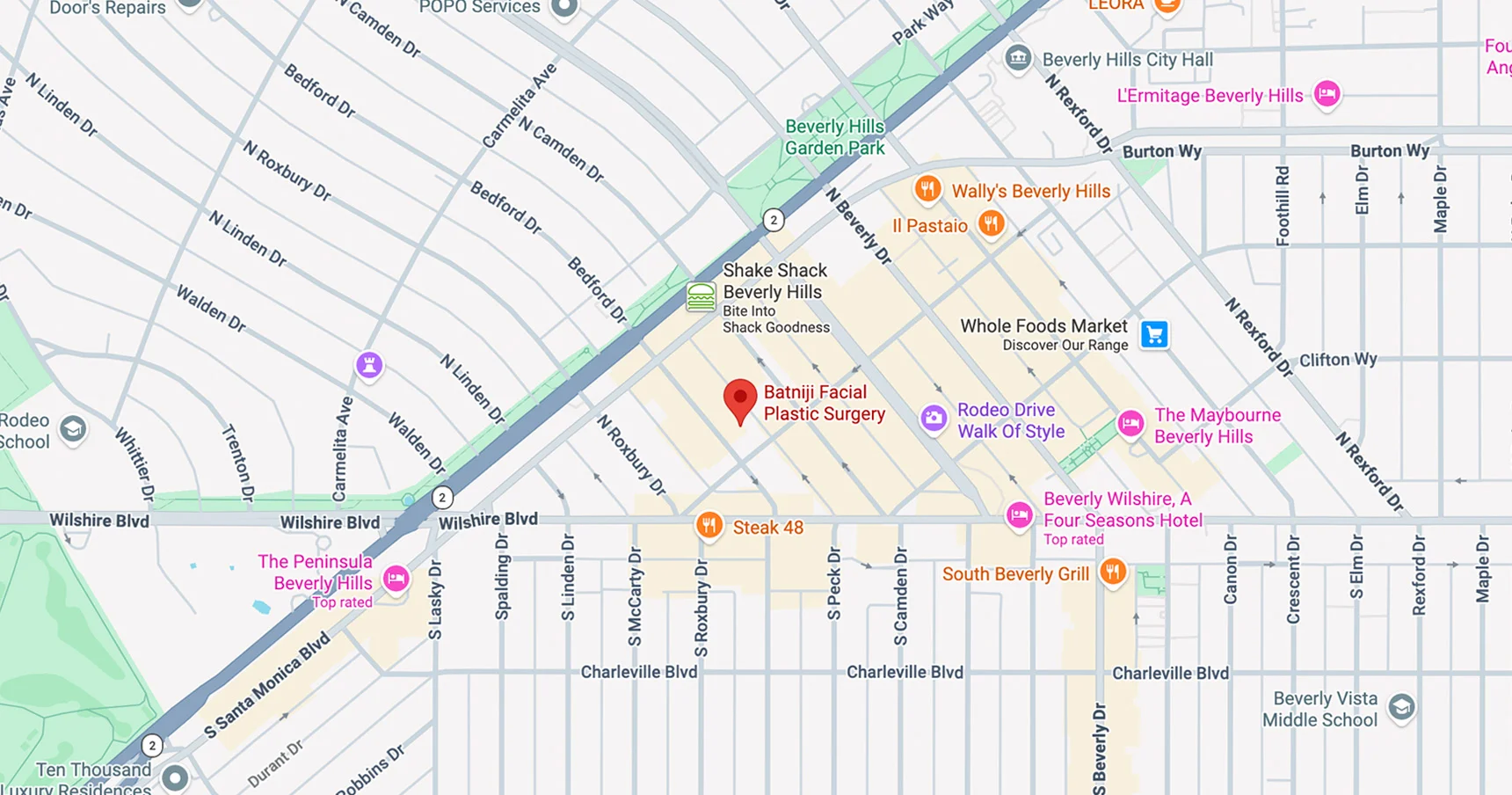
We look forward to caring for you. Please do not hesitate to reach out at 949.650.8882 (Newport Beach) or 310.467.2180 (Beverly Hills) with any questions at all — no question is too small.