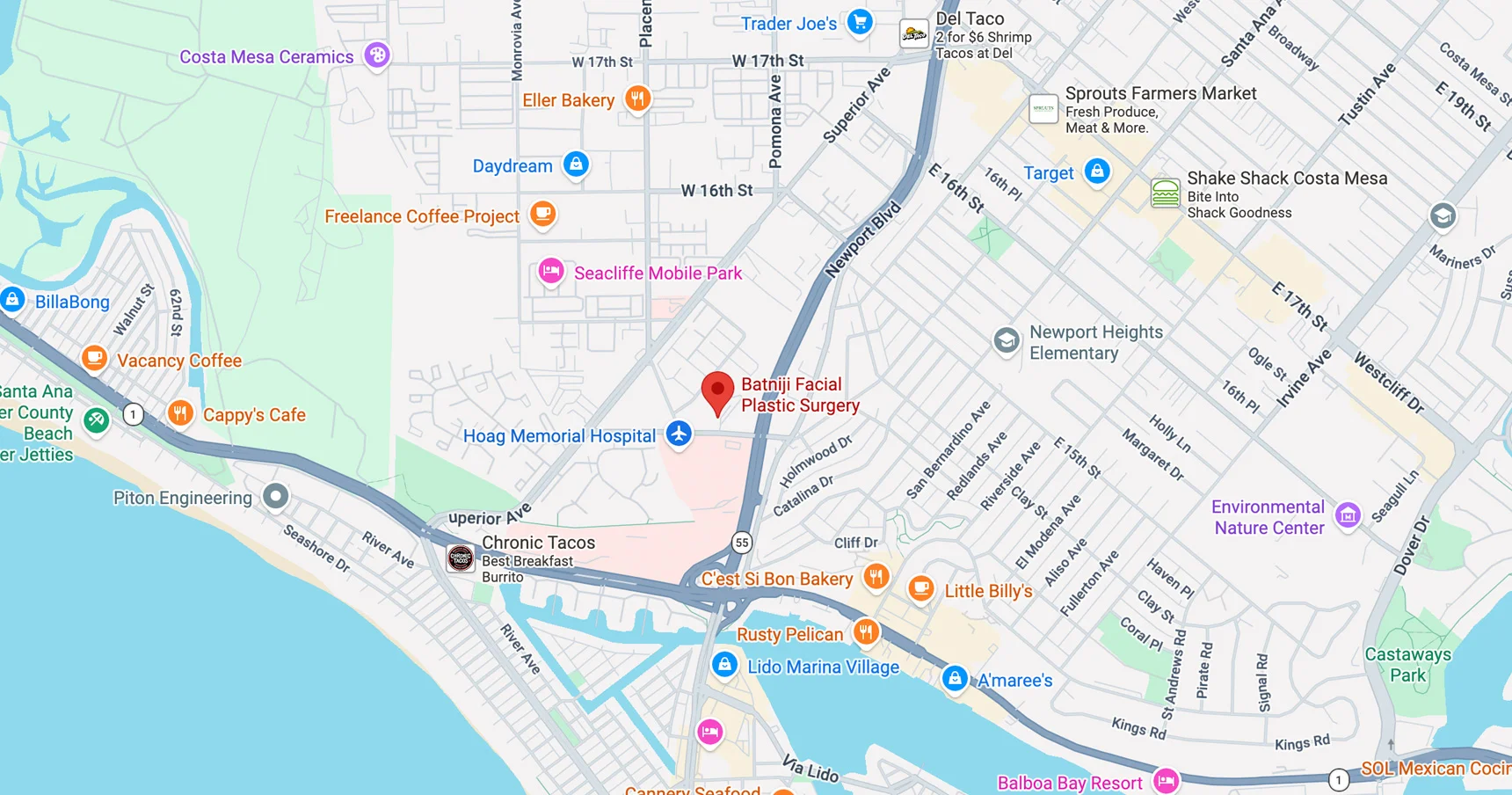
Newport Beach

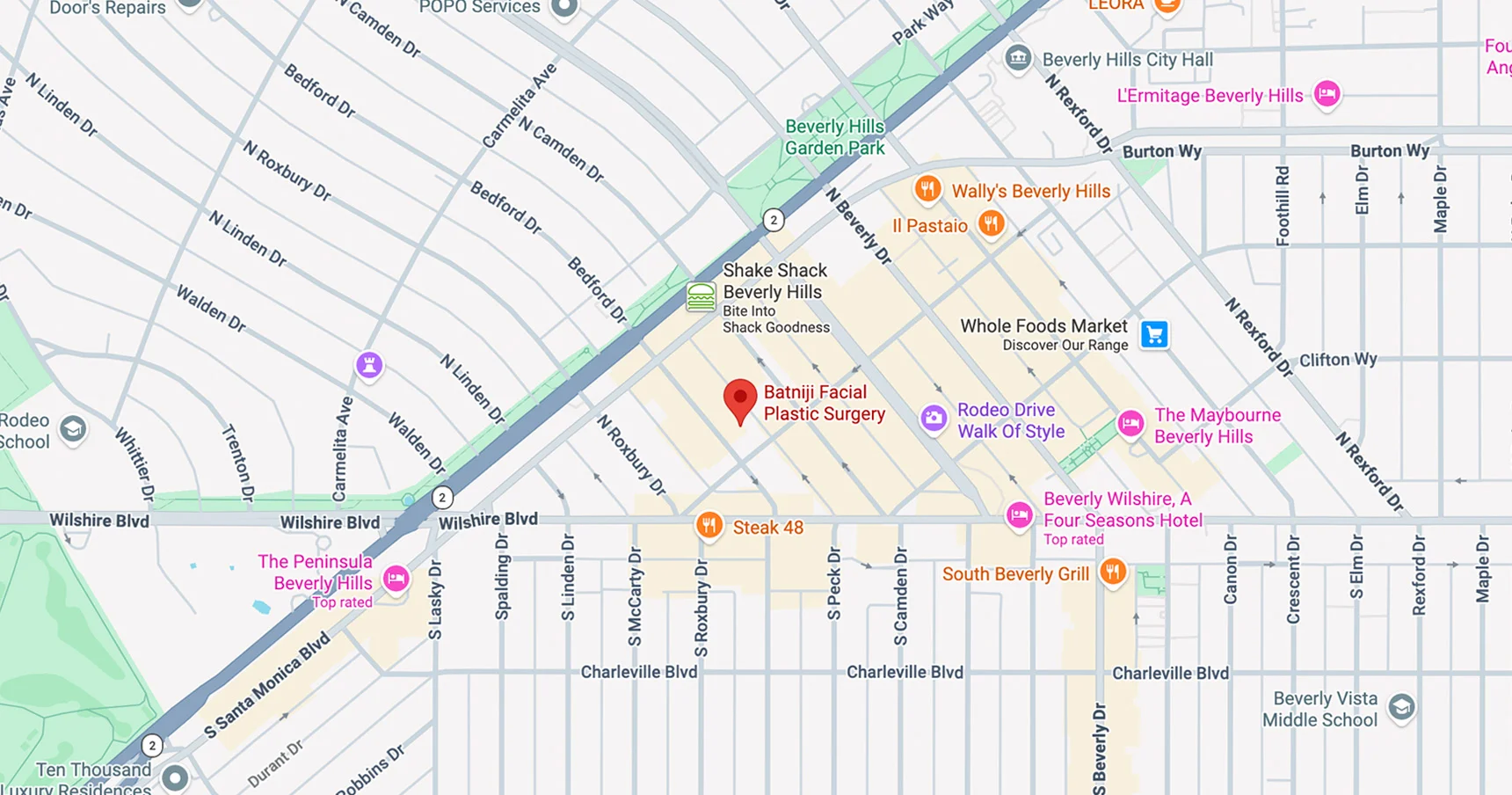
Beverly Hills

Eyelid Surgery

Newport Beach | Beverly Hills, CA

Introduction

Introduction to Eyelid Surgery (Upper & Lower Blepharoplasty)

An unknown fact to many: the eyes are often the first facial feature to show signs of aging. Even subtle changes to the eyelids, like excess skin, puffiness, or hollowness, can create a tired, heavy, or aged appearance. Eyelid surgery, also known as blepharoplasty, is a highly effective procedure that can elevate the appearance of the upper and lower eyelids, restoring a refreshed, alert, and naturally youthful look. It can be performed on the upper lids, lower lids, or both, depending on each patient’s anatomy and aesthetic goals. This procedure has delivered real, tangible results for many patients, leading doctors at Harvard to encourage investment.1

Procedure Time

1 Hour

Recovery Time

12-21 Days

Price Range

Per Case Basis* ($5k – $13k)

Outpatient

Yes

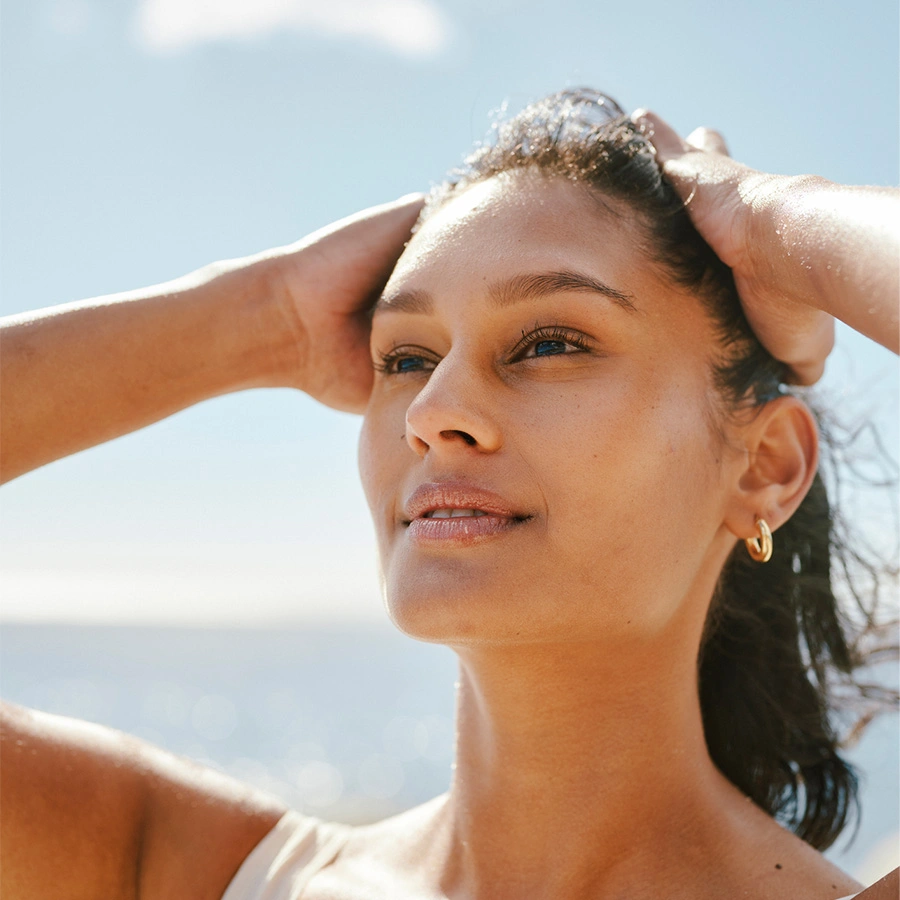
A woman with her hair pulled back in a ponytail, looking upward with a clear, bright expression. Her hands are resting on the back of her head, and she is wearing small gold hoop earrings. The background shows a bright, blurry seascape. - Eyelid surgery in Beverly Hills, CA

What is Eyelid Surgery?

Eyelid surgery, or blepharoplasty, is a facial plastic surgery procedure that improves the appearance and function of the upper and/or lower eyelids. The surgery addresses concerns such as excess skin, eyelid hooding, puffiness caused by protruding fat, hollowness, and laxity that develops over time or due to genetics. In some cases, patients may choose to have upper and lower done together or separately, depending on their concerns.

  • Over time or due to hereditary predisposition, the skin of the upper eyelids may begin to sag. This may result in hooding of the eyelids and a tired or aged appearance. Upper eyelid surgery (also known as upper blepharoplasty) can improve sagging upper eyelid skin, restoring a more youthful and refreshed appearance.

  • Lower blepharoplasty, or lower eyelid surgery, corrects puffiness and sagging in the lower lids, as well as hollowness between the cheek and lower lid, also known as a nasojugal groove and/or tear trough deformity. The surgery can improve a tired or aged appearance and restore a more youthful and refreshed look.

What Are the Benefits of Eyelid Surgery?

Which Conditions Can Upper Blepharoplasty Improve?

Upper-lid ptosis (a medical term for sagging) may give your eyes a hooded appearance. This can make you appear older than your actual age, fatigued, or even aggressive. Upper blepharoplasty can address upper-lid sagging, restoring a more youthful-looking appearance.

In addition to cosmetic concerns, upper eyelid sagging may interfere with your vision. Upper eyelid blepharoplasty can alleviate this problem while also improving your appearance.

What Conditions Can a Lower Blepharoplasty Improve?

Lower blepharoplasty is intended to improve the appearance of lower-eyelid bags, chronic lower-eyelid puffiness, and lower-eyelid drooping. Many patients choose to undergo a lower blepharoplasty to reduce or eliminate signs of aging. The procedure can create a more refreshed and alert appearance.

Good Candidates for Eyelid Surgery?

Upper blepharoplasty is appropriate for healthy men and women who have reasonable expectations for improving sagging upper eyelids. In extreme cases, the upper eyelids may sag and interfere with vision; in such cases, surgery can even improve an obscured visual field.

Upper eyelid surgery addresses significantly different concerns than lower blepharoplasty, but it’s not uncommon to do work on both the upper and the lower eyelids. Dr. Batniji will meet with you for a consultation to discuss your concerns and determine whether upper eyelid surgery is best suited to address your needs.

Ideal lower blepharoplasty candidates are looking for a way to permanently reduce lower-eyelid puffiness, undereye bags, and lower-lid drooping. If a patient feels these issues are making them appear constantly tired or older than they are, this surgery may be the right solution.

To put this into perspective, in 2024 alone, eyelid surgery was reportedly the most common facial plastic surgery performed in the United States, just above facelifts and rhinoplasties.2 This further highlights their versatility and accessibility to many patients.

What Is The Best Age For Lower Blepharoplasty?

While age can be a factor in deciding to undergo surgery, the primary factor should always be eyelid anatomy. This is because the aging process isn’t the only cause of undereye bags and lax skin—genetics and certain medical conditions can also cause these cosmetic issues.

As with upper blepharoplasty, lower eyelid surgery is an excellent procedure for patients of all ages. The aging process often affects the eyelids starting in the mid-30s, but even patients as young as age 18 can experience this cosmetic problem. Many others do not develop undereye bags until their 60s.

Thus, the best age for lower blepharoplasty surgery in Newport Beach is when the patient is unhappy with persistent undereye bags and sagging lower eyelids. If there is no longer a consistent transition from the lower eyelid to the cheek, consider a lower eyelift.

Note that younger patients with undereye bags are more likely to be suitable candidates for lower eyelid surgery. They typically have less-pronounced signs of aging that are easier to address. They are also usually in better overall health; patients in poor health have a higher incidence of complications.

Who Is Not A Good Candidate For Lower Blepharoplasty?

While most patients with cosmetic undereye issues are excellent candidates for lower blepharoplasty, some are advised to avoid it.

Pre-existing medical conditions play a major role in determining candidacy. Patients with chronic illnesses that slow recovery or contribute to complications are not ideal candidates for a lower eyelid lift. Diabetes, heart disease, and high blood pressure—especially when they are uncontrolled—can negatively affect candidacy.

Ophthalmic conditions like dry eye, glaucoma, and detached retina must be discussed during one’s consultation, as should thyroid disorders like Graves’ disease.

Patients who are pregnant or breastfeeding are recommended to postpone their lower blepharoplasty surgery. Non-smokers are preferred, and patients who are unwilling or unable to quit smoking may not be ideal candidates for this procedure.

It is important to have realistic expectations regarding the results of eyelid surgery. Rather than being especially dramatic, results are typically more natural-looking, and friends and family are more likely to notice a generally refreshed appearance without being able to pinpoint its exact cause.

People with dark undereye circles are advised to consider non-surgical options such as laser skin resurfacing and fillers like Juvéderm®, as these are more likely to achieve their cosmetic goals.

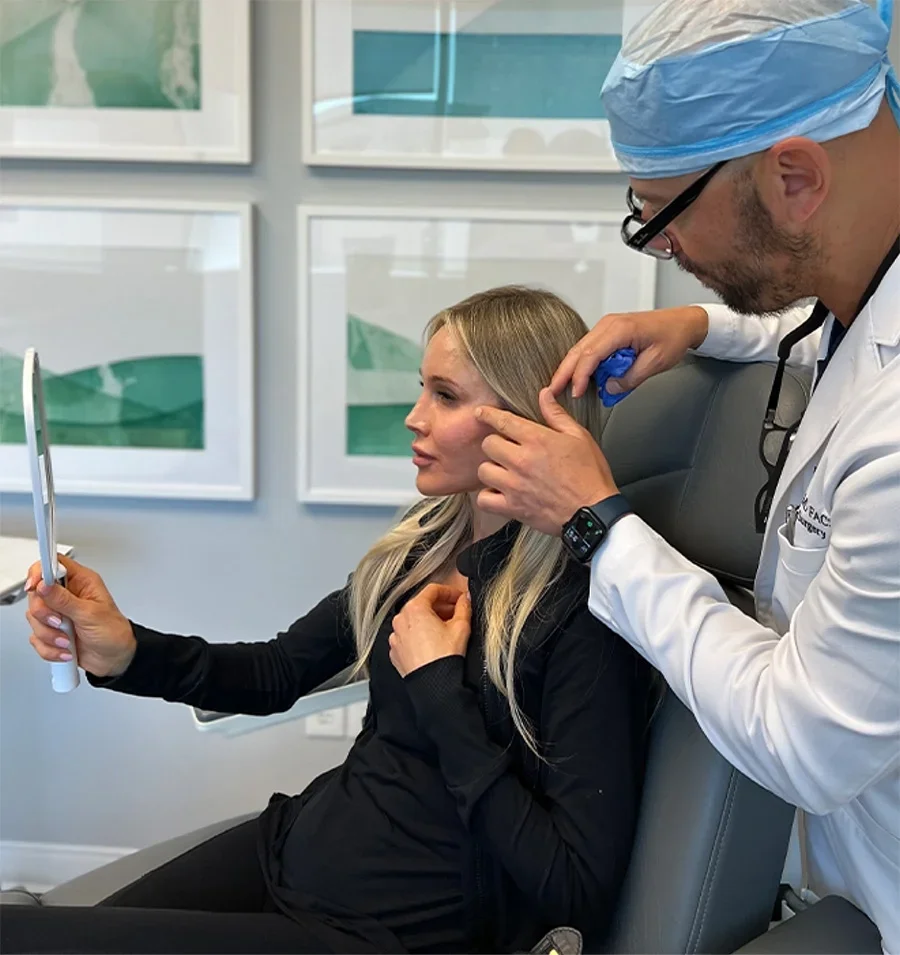
A side-profile view of a blonde woman sitting in a grey treatment chair, looking into a handheld mirror. Behind her, a male clinician in a white coat and blue surgical cap points to her temple area while explaining a procedure. - In Beverly Hills, CA

What’s the
first step?

Upper blepharoplasty is appropriate for healthy men and women who have reasonable expectations for improving sagging upper eyelids. In extreme cases, the upper eyelids may sag and interfere with vision; in such cases, surgery can even improve an obscured visual field.

Upper eyelid surgery addresses significantly different concerns than lower blepharoplasty, but it’s not uncommon to do work on both the upper and the lower eyelids. Dr. Batniji will meet with you for a consultation to discuss your concerns and determine whether upper eyelid surgery is best suited to address your needs.

Ideal lower blepharoplasty candidates are looking for a way to permanently reduce lower-eyelid puffiness, undereye bags, and lower-lid drooping. If a patient feels these issues are making them appear constantly tired or older than they are, this surgery may be the right solution.

To put this into perspective, in 2024 alone, eyelid surgery was reportedly the most common facial plastic surgery performed in the United States, just above facelifts and rhinoplasties.2 This further highlights their versatility and accessibility to many patients.

How Do I Prepare For Upper Eyelid Surgery?

The best way to prepare for upper eyelid surgery is to educate yourself as thoroughly as possible about the procedure. This will help you better understand what to expect.

You’ll also need to arrange for time off from work and ask a friend or family member to give you a ride home from the surgery. Additionally, you’ll need to avoid taking NSAIDs, drinking alcohol, and smoking before the date of your upper eyelid surgery.

How Should I Prepare For Lower Blepharoplasty?

In order to prepare for a lower eyelid lift at Batniji Facial Plastic Surgery, patients must avoid taking NSAIDs (non-steroidal anti-inflammatory drugs) and any supplements that reduce the blood’s ability to clot. This is very important because anything that reduces clotting ability results in an increased risk of bleeding during and after surgery.

Smokers will need to quit several weeks before the date of their lower blepharoplasty surgery. This is necessary because smoking greatly reduces skin health, which can, in turn, result in prolonged recovery time and an increased risk of complications.

It is vital to arrange transportation home in advance, as patients cannot drive immediately after lower eyelid surgery. Patients should arrange for a friend or family member to stay with them for the first night after surgery, as this person can help with any issues the patient may encounter.

Patients should prepare their sleep area to support healing and ensure a comfortable recovery. This will include ensuring they have cold compresses, towels, and other healing aids nearby.

A Breakdown of Eyelid Surgery

Upper Eyelid Surgery

Upper eyelid surgery at Dr. Batniji’s Newport Beach practice is often performed with local anesthesia with intravenous sedation. If performed with additional procedures such as an endoscopic brow lift, general anesthesia may be used.

Dr. Batniji places incision lines along the natural crease of the upper eyelid to ensure the resulting scars are hidden. Through this incision, the doctor will remove excess skin.

Traditional upper eyelid surgery often involves the removal of excess fat from the upper eyelids. However, because Dr. Batniji has found that this may cause a hollowed appearance, he only removes fat from the upper eyelids if it is excessive and contributes to hooding.

Surgical times for upper eyelid surgery typically range from 30 minutes to 1 hour. Patients can expect to return home or to a hotel after the procedure, as an overnight hospital stay is rarely necessary.

Lower Eyelid Surgery

The incision created for lower blepharoplasty is small and well-concealed. It is located either within the lower eyelid (specifically to address excess fat) or a few millimeters below the eyelash line (to address excess fat and skin).

The exact nature of the surgery will depend on the individual patient and their concerns. To correct hollowness resulting from a nasojugal groove or tear trough deformity, Dr. Batniji will first loosen the fat of the lower eyelid and then reposition it into the hollow area, keeping the blood supply attached so that the fat will survive.

Lower lid malposition and/or laxity can be corrected with a lateral canthopexy, lateral canthoplasty, or tarsal strip procedure. Excess muscle of the lower eyelid, known as orbicularis muscle hypertrophy, can be corrected by trimming the muscle. Once these issues are addressed, Dr. Batniji will conservatively remove excess skin from the lower lid before closing the incisions.

The lower eyelid lift is commonly performed with a midface/cheek lift for additional correction from the lower eyelid to the cheek.

Some patients are concerned about undergoing a surgical procedure near their eyes. You can rest assured that a blepharoplasty is not ocular surgery. The eye itself is never involved, and the surgery is quite safe. Dr. Batniji has extensive education, training, and experience, ensuring you receive top-quality care.

​​Lower eyelid surgery in Beverly Hills takes approximately one to two hours to perform. The procedure almost never requires an overnight hospital stay and is done on an outpatient basis.

What to expect from
a Facelift Procedure?

Upper Eyelid Surgery

You may experience some discomfort after your upper eyelid surgery in Newport Beach. Your eyelids may feel sore or tight at first, but this can be treated with medication. Swelling and bruising may occur but will fade in time. To minimize swelling, keep your head elevated as much as possible for the first few days after surgery.

Dr. Batniji generally recommends that his patients take one week off from work. You may receive artificial tears to keep your eyes moisturized. The sutures are removed after one week.

Lower Eyelid Surgery

Swelling and bruising may result after your lower eyelid surgery. These can be minimized by keeping the head elevated, applying cold compresses, and taking certain herbal medications, such as Arnica Montana and Traumeel, after your surgery.

Artificial tears and ointment may be used to help prevent dry eyes. If you do experience any discomfort after your surgery, it can be treated with medication. Patients who wear contact lenses will need to refrain from using them for a period of time.

The sutures are removed one week after surgery, at which time you will be shown how to use special makeup to help camouflage any remaining discoloration. You can return to work approximately one week after your lower eyelid surgery.

A close-up profile of a woman’s face, focusing on her eyes and cheek. She is wearing a wide-brimmed straw hat that casts a tight, mesh-like shadow pattern across her face. The warm sunlight emphasizes her clear complexion and the delicate area around her eyes. - Eyelid surgery in Beverly Hills, CA

Your Guide to Post-Eyelid Surgery Care

What Post-Care Regimen Should I Follow?

  • You may need someone to stay with you for the first few days if swelling causes blurred vision. Some degree of swelling could last for a few days and may extend to a few weeks.
  • Clean your suture line with hydrogen peroxide on a Q-tip 4 times a day, then apply a thin layer of Lacrilube. You will continue this treatment until your 1-week post-op visit.
  • Whenever you rest, and especially before you go to sleep at night, you will apply Lacrilube ointment to your eyes. This will make your vision very hazy. To apply the ointment to the eye, look up and draw a line of ointment along the inside of your lower eyelid. Then close your eyes to help spread the ointment. Be careful not to scratch your eye with the tip of the ointment tube. You may use warm washcloths and artificial tears the next morning to help flush some of the ointment from your eyes and improve vision during the day.
  • During the day, you MUST use artificial tears in both eyes continuously. We recommend putting at least 2 drops in each eye every hour or every half hour. YOU CAN NOT OVERLUBRICATE YOUR EYES. The more you use the artificial tears, the better your eyes will feel. If you do not use enough lubrication, you may develop dry eye syndrome. If your eyes are tearing or watering, that is your body’s way of letting you know they are dry and need more drops or ointment.
  • Apply cold compresses to the eyes as often as possible for the first 24-48 hours after surgery. This will help to reduce your swelling. Also, try to keep your head elevated at all times, using 2-3 pillows at night to sleep.
  • Avoid bending forward, straining, or lifting heavy objects for 1 week.
  • You may shower normally during the first week of recovery. We recommend using baby shampoo for your hair, as it is less irritating to the eyes. If you plan to use regular hair products, please be sure to protect your eyes.

  • Avoid make-up for at least 10 days post-op. You may not wear false eyelashes for 3 weeks post-op.
  • On your 7th post-op day, you will return to the office for all sutures to be removed. At this time, you will receive further instructions on caring for your eyes.
  • Avoid wearing contact lenses for approximately 10 days post-op, or until your doctor advises otherwise. You may wear glasses during the first week of recovery.
  • Try to wean yourself off of your pain medication as soon as possible. You may use Extra-Strength Tylenol for any discomfort. DO NOT TAKE ASPIRIN OR IBUPROFEN DURING THE FIRST WEEK OF RECOVERY, AS THESE MAY INCREASE THE RISK OF BLEEDING.
  • PLEASE REMEMBER…You may have more bruising or swelling 2-3 days after surgery. This is very normal.
  • If you have any further questions or concerns, please do not hesitate to contact our office at 949.650.8882

    How Much Does an Eyelid Surgery Cost in Newport Beach and Beverly Hills, CA?

    The cost of an Eyelid Surgery in Beverly Hills and Newport Beach varies on a case-by-case basis. The out-of-pocket cost for upper blepharoplasty depends on several factors, including your aesthetic goals, general health, the severity of your eyelid issues, and anesthesia fees.

    Medical insurance will not cover the cost of an upper blepharoplasty when the procedure is done for purely cosmetic reasons. If sagging upper eyelids obstruct your field of vision, your health insurance provider may cover the cost. Contact your provider to find out more.

    Lower blepharoplasty is among the more affordable cosmetic surgeries. Costs can be affected by the time required to perform the procedure, anesthesia fees, and other factors. Medical insurance usually does not cover the cost of lower eyelid surgery because it is typically a purely cosmetic procedure.

    In rare instances, lower eyelid surgery in Beverly Hills or Newport Beach may be deemed medically necessary. An example of such a case is when the lower eyelids obstruct vision. In these cases, insurance may cover some or all of the costs of lower eyelid surgery.

    Why Choose Batniji Facial Plastic Surgery for an Eyelid Surgery?

    Dr. Batniji has a unique understanding of facial aesthetics and extensive knowledge of facial anatomy and facial plastic surgery techniques. This enables him to deliver exceptional eyelid surgery results for his Newport Beach and Beverly Hills patients.

    Dr. Batniji is board-certified by the American Board of Otolaryngology and the American Board of Facial Plastic & Reconstructive Surgery. Specializing in facial plastic surgery, the doctor has dedicated his practice to beautifying the face. He is a renowned leader and celebrated lecturer in the field of facial plastic surgery.

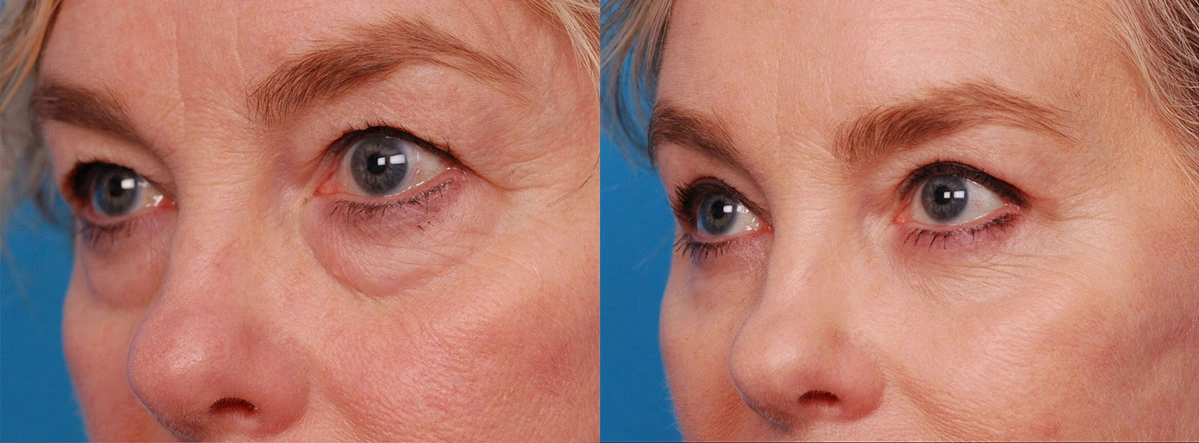
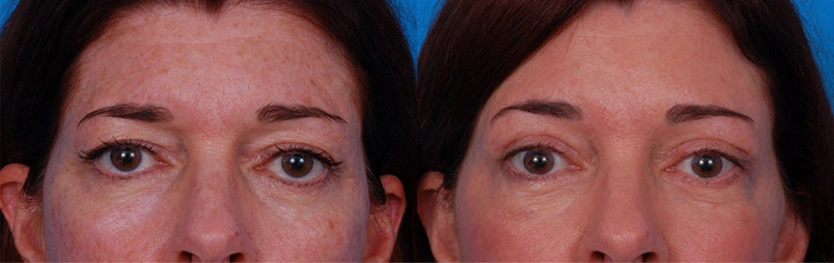
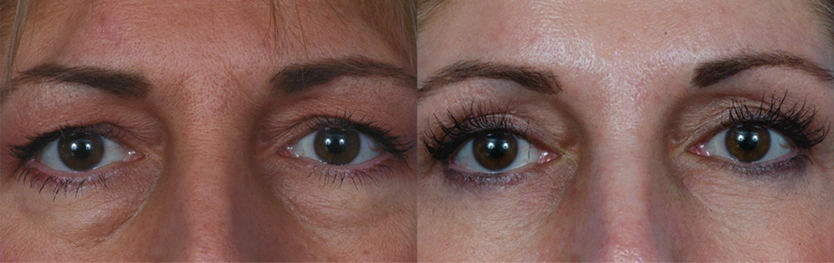
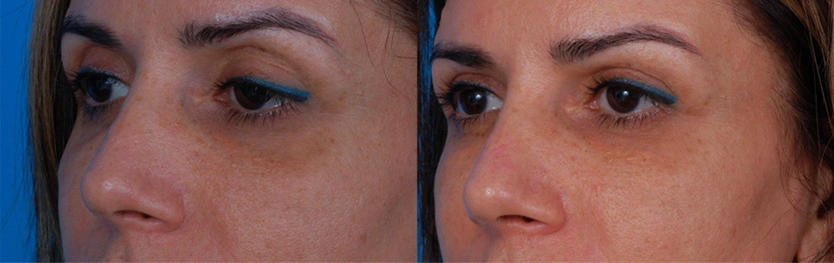
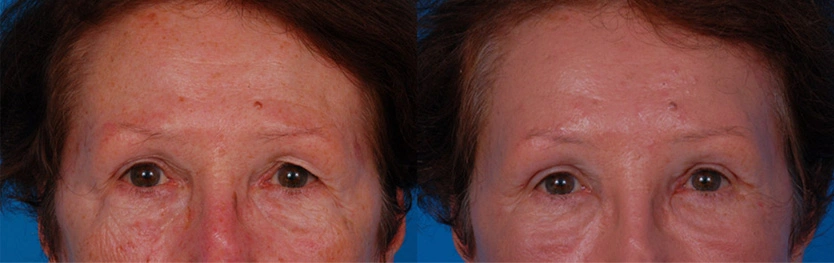
    View our Upper Blepharoplasty Gallery for Before and After eyelid surgery images.

    Dr. Batniji performs eyelid surgery at the Newport Beach Surgery Center, Fashion Island Surgical Center, and Beverly Hills Surgical Center. He is a member of the Departments of Plastic Surgery and Otolaryngology-Head and Neck Surgery at Hoag Hospital in Newport Beach.

    For more information about Dr. Batniji, or to view his full CV, click here.

    Eyelid Surgery FAQ’S

    Dr. Batniji Has Reviewed And/Or Written These Pages.

    To learn more about Dr. Batniji, please visit this page.
    For more information regarding facelifts, other facial procedures, and Dr. Batniji, please contact our office to schedule a consultation.

    Schedule Your Consultation

    When it comes to facial plastic surgeons, Newport Beach residents have a lot of options. Patients consistently choose Dr. Batniji as a trusted facial plastic surgeon. We would love to schedule a time for you to meet Dr. Batniji, who can help you develop an effective plan to reach your cosmetic goals. To get started, contact us today!

    Sources

    • Godman, Heidi. “What Really Happens in Upper Eyelid Surgery?” Harvard Health Publishing, 1 Jan. 2025, www.health.harvard.edu/staying-healthy/what-really-happens-in-upper-eyelid-surgery
    • American Society of Plastic Surgeons. 2024 Plastic Surgery Statistics: Procedures by Region. American Society of Plastic Surgeons, 2024, www.plasticsurgery.org/documents/news/statistics/2024/cosmetic-procedures-regions-2024.pdf

    Our Plastic Surgery Office Locations

    Newport Beach Plastic Surgery Clinic

    Beverly Hills Plastic Surgery Clinic